By Sophia Bennett
An ab workout with dumbbell is one of the simplest ways to add resistance to your core training without buying specialized equipment. In this guide, you will learn six controlled movements, how to pick a dumbbell weight that actually challenges your abs, the form cues that keep your lower back safe, and a simple weekly structure you can follow. The goal is not to chase soreness but to build steady strength in the muscles that stabilize your trunk.
Why Add Dumbbells to Your Ab Training?
Bodyweight crunches and planks are useful, but they get easier quickly. Adding a dumbbell increases the external load, which is the main driver of strength gains. The added weight also changes the moves: a held weight forces your obliques and deep stabilizers to work harder to keep your torso steady. Dumbbells are also easy to scale, because you can progress by using a heavier bell or by slowing the tempo rather than buying new equipment.
Shopping for one? See our guide: 7 Best Ab Roller Wheel Kits for Beginners and Home Workouts.
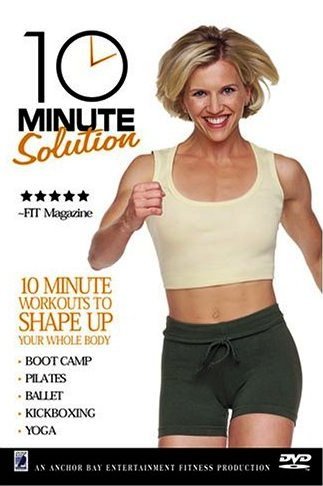
For a broader look at how weighted training fits into a complete core plan, see Weighted Core Exercises: Dumbbells, Carries, Cables. If you only have 10 minutes, the structure in 10 Minute Ab Workout: 6 Moves for a Stronger Core pairs well with the moves below.
What You Need Before You Start
- One dumbbell, or a pair, in a weight you can control for 10 to 12 reps with good form.
- A non-slip surface or an exercise mat for floor work.
- A bench or sturdy chair for decline and seated moves (optional).
- A timer or a counter for sets and tempo.
How to Choose the Right Dumbbell Weight
Start lighter than you think. Core muscles recover quickly, but the spine and hip flexors do not always tolerate sudden load. A reasonable starting point for most beginners is 5 to 10 pounds. Use the following checks:
- Perform 10 reps with a 2-second lowering phase. If your form breaks down before rep 8, the weight is too heavy.
- If you can finish 15 clean reps with a pause at the top, move up in small steps.
- Keep your weight choice consistent for a full week before adjusting, so you can measure real progress.
Women and smaller-framed lifters often do well with 5 to 8 pounds for most moves, while larger lifters may use 15 to 25 pounds for certain exercises. Choose the weight by control, not by ego.
The 6 Best Ab Workout with Dumbbell Moves
1. Dumbbell Crunch
Lie on your back with knees bent and feet flat. Hold one dumbbell with both hands over your chest. Exhale and curl your upper back off the floor, keeping your lower back in contact with the mat. Pause briefly, then lower slowly over 2 to 3 seconds. Aim for 12 to 15 reps.
Form cue: Think about bringing your ribs toward your hips rather than pulling your head forward.
2. Weighted Dead Bug
Lie on your back with arms reaching toward the ceiling and hips and knees at 90 degrees. Hold the dumbbell in both hands above your chest. Slowly extend your right arm overhead and left leg toward the floor, stopping before your lower back arches. Return to start and switch sides. Complete 8 to 10 reps per side.
Form cue: Press your lower back gently into the floor throughout the movement.
3. Dumbbell Russian Twist
Sit on the floor with knees bent, feet lifted slightly, and torso leaning back to about 45 degrees. Hold the dumbbell with both hands at your chest. Rotate your torso to tap the weight beside your right hip, then to the left. Complete 10 to 12 total reps, alternating sides.
Form cue: Rotate from the ribcage, not just the arms. Keep your chest lifted.
4. Dumbbell Side Bend
Stand with feet hip-width apart and hold one dumbbell in your right hand at your side. Slowly bend to the right, sliding the weight down your leg without rotating your torso. Return upright using your left oblique. Complete 10 reps per side, then switch hands.
Form cue: Keep your shoulders stacked over your hips. The movement should feel like a controlled lateral stretch and squeeze.
5. Dumbbell Plank Pull-Through
Start in a high plank with hands on the floor, a dumbbell placed beside your right hand. Brace your core and keep your hips level. Reach your right hand to grab the dumbbell, then return it to the floor beside your left hand. Alternate for 8 to 10 touches per side while your hips stay still.
Form cue: Avoid rocking your hips side to side. Think of your torso as a solid plank.
6. Dumbbell Hollow Hold
Lie on your back and hold a light dumbbell with both hands overhead. Lift your head, shoulders, and legs a few inches off the floor while pressing your lower back down. Hold for 15 to 30 seconds. Rest and repeat for 3 sets.
Form cue: If your lower back lifts, bring your legs higher or shorten the hold.
Sample Weekly Plan
Train your core two or three times per week, with at least one rest day between sessions. A simple template looks like this:
| Exercise | Sets | Reps or Time | Rest |
|---|---|---|---|
| Dumbbell Crunch | 3 | 12–15 | 45 sec |
| Weighted Dead Bug | 3 | 8–10 per side | 45 sec |
| Dumbbell Russian Twist | 3 | 10–12 total | 45 sec |
| Dumbbell Side Bend | 2 | 10 per side | 30 sec |
| Dumbbell Plank Pull-Through | 2 | 8–10 per side | 30 sec |
| Dumbbell Hollow Hold | 3 | 15–30 sec | 30 sec |
Progress by adding one rep per set each week, or by moving up one dumbbell increment once you hit the top of the rep range with clean form for all sets.
Common Mistakes to Avoid
- Using momentum. Swinging the dumbbell turns a core exercise into a hip-flexor exercise. Slow the lowering phase to 2 or 3 seconds.
- Holding your breath. Exhale on the effort and inhale on the return. Breath control keeps your core braced.
- Arching the lower back. In dead bugs and hollow holds, a gap under the lower back means the load is too heavy or the range is too big.
- Pulling on the neck. In crunches, let your abs do the lifting. Keep your hands light and your chin slightly tucked.
- Going too heavy too soon. Heavier is not automatically better for the core. Form should lead every progression.
If you notice back pain during any of these moves, stop and consider a lighter load or a different exercise. Persistent pain should be checked by a doctor or physical therapist before you continue.
Tips for Better Results
- Combine ab work with full-body training. Core strength supports squats, deadlifts, and carries.
- Keep your range of motion controlled rather than maximal.
- Track your reps and weights in a notebook or app so progression is deliberate.
- Pair this routine with a stable surface. A quality mat reduces discomfort on the floor, and you can compare options in Best Exercise Mats for Ab and Core Workouts: 6 Compared.
- Remember that visible abs depend on body fat levels as well as training. Nutrition matters alongside exercise.
Recommended gear
A few simple tools make dumbbell ab work more comfortable and more progressive. You do not need all of them, but each one addresses a real need.
- Adjustable dumbbells. Owners often find that adjustable sets make it easy to move up in small increments, which suits core moves that need gradual loading. View on Amazon
- Exercise mat. A thicker, non-slip mat cushions the spine during crunches and dead bugs. View on Amazon
- Light kettlebell or medicine ball. Useful as an alternative when you want a different grip or a rotational load. View on Amazon
FAQ
How heavy should the dumbbell be for ab exercises?
Most beginners start between 5 and 10 pounds. Choose a weight you can control for 10 to 12 reps with good form. If the movement looks sloppy before you reach the target reps, the weight is too heavy.
How often should I do an ab workout with dumbbell?
Two to three times per week is a reasonable schedule for most people. Allow at least one rest day between sessions so your muscles can recover and adapt.
Can dumbbell ab exercises help me lose belly fat?
Exercise strengthens the abdominal muscles but does not burn fat from one area specifically. Overall body fat reduction comes from total energy balance, which includes diet, activity, and sleep.
Are dumbbell crunches safe for the lower back?
Crunches are generally safe when your lower back stays supported and you avoid pulling on your neck. If you have a history of back problems, consult a doctor or physical therapist before starting.
Do I need a bench for dumbbell ab workouts?
No. Most moves in this guide work on the floor. A bench adds variety for decline twists and seated variations but is optional.
What if I feel the exercises mostly in my hip flexors?
This usually means you are pulling with your legs or using momentum. Anchor your lower back, slow the movement, and reduce the range of motion until you can isolate the abs.
Can beginners do this routine?
Yes, as long as you start with lighter weights and fewer sets. Beginners should focus on learning the form cues before increasing load or volume.
Conclusion
An ab workout with dumbbell gives you a simple, scalable way to build core strength using six controlled moves. Focus on slow reps, steady breathing, and a lower back that stays supported. Progress by adding reps or moving up in small weight increments, and check with a qualified professional if you have existing back or abdominal concerns.
Related reading
Ready to choose one?

About Sophia Bennett
Sophia covers core & abs, comparing specs, features and long-term owner feedback to help readers choose with confidence.