 By Owen Palmer
Updated November 2026
Plank variations women’s health routines often come down to three choices: the standard forearm plank, the side plank, and the reverse plank. Each one trains the trunk differently, and each suits a different starting point. The standard plank is the best all-around choice for most beginners, the side plank is the strongest pick for targeting the obliques and lateral stability, and the reverse plank is the right option when you want to balance out posterior chain work and ease shoulder strain. Read on for a side-by-side look at how they compare.
Throughout this comparison, the focus stays on core training done safely and consistently. Before you add any new movement to your routine, especially if you are pregnant, recovering from a pelvic floor or abdominal injury, or managing a back or shoulder condition, talk with a physician or licensed physical therapist first.
Plank Variations Women’s Health Comparison at a Glance
| Criteria | Standard Forearm Plank | Side Plank | Reverse Plank |
|---|---|---|---|
| Primary muscles trained | Rectus abdominis, transverse abdominis, erector spinae | Obliques, quadratus lumborum, glute medius | Glutes, hamstrings, lower back, upper back |
| Beginner friendliness | High | Moderate | Low to moderate |
| Shoulder demand | Moderate | High on the supporting arm | High, especially for the wrists and shoulders |
| Ease of progression | Easy to adjust by changing lever length | Easy to progress with leg position and hip lift | Harder to scale down; requires good thoracic mobility |
| Space required | Small, about a yoga mat | Small, about a yoga mat | Small, but needs room to lower the hips safely |
| Best for | General core endurance and first-time planking | Lateral core strength and hip stability | Posterior chain balance and posture work |
Muscle Activation: Which Plank Trains the Core Best?
The standard forearm plank wins for overall trunk activation, because it asks the rectus abdominis, transverse abdominis, and deep spinal stabilizers to hold the body in a rigid line against gravity. Your body should look like a straight board from the crown of your head to your heels. Keep the ribs down, squeeze the glutes, and avoid letting the lower back sag.
The side plank wins for targeting the obliques and quadratus lumborum, the muscles that resist side bending and rotation. Many women find that side planks feel more demanding through the hips and waist than the front plank, even when the hold time is the same. Keep the top hip stacked over the bottom hip, and avoid rolling forward or back.
The reverse plank wins for posterior chain engagement. Lifting the hips while supported on the hands and heels brings the glutes, hamstrings, and lower back into play. It is a useful complement to the other two, since most daily life and many workouts emphasize front-body work.
Beginner Friendliness: Which Variation Is Easiest to Start With?
The standard forearm plank wins for beginners. You can begin on your knees instead of your toes, which shortens the lever and reduces the load on the abdominals. A common starting target is three sets of 15 to 20 seconds, resting 30 to 45 seconds between sets, and adding roughly 5 seconds per week when the form stays clean.
The side plank is a good second step. Begin on the knees with the bottom arm under the shoulder and the top hand on the hip. Hold for 10 to 15 seconds per side, then build up. Avoid letting the shoulder collapse toward the floor, which is one of the most common form breakdowns.
The reverse plank is the most demanding of the three for beginners. It requires comfortable wrist extension, enough shoulder flexibility to keep the arms vertical, and the ability to keep the hips lifted without arching the lower back. Start with a short hold of 10 to 15 seconds, and stop if you feel pinching in the shoulders or sharp wrist pain.
Shoulder and Wrist Demand: Which Plank Is Gentlest on Joints?
The standard forearm plank wins for joint comfort. Because the forearms rest on the floor, the load is spread across a wider surface, and the wrists stay in a neutral position. Owners and instructors often report that this is the variation they return to when their wrists feel sore, though anyone with chronic shoulder pain should still get clearance from a healthcare provider.
The side plank is moderate on the shoulders. The supporting arm carries a significant share of body weight, so it works best when the shoulder is stacked directly over the elbow and the forearm stays flat.
The reverse plank is the most joint-demanding, because the wrists are loaded in extension and the shoulders must hold the arms overhead-in-line while the hips lift. If you have wrist sensitivity, you can place the hands on a folded towel or switch to forearms, though forearm reverse planks are a more advanced option and not a true substitute.
Progression Options: Which Plank Grows With You?
The standard forearm plank wins for progression flexibility. You can move from knees to toes, extend one leg, lift one arm, or move onto a stability ball for a harder challenge. Each change adds a clear, measurable step up.
The side plank progresses well too. Options include lifting the top leg, moving the top arm overhead, or raising the hips into a full side plank from the knees. Many people find this variation offers a steady and satisfying path from easy to hard.
The reverse plank takes longer to progress, because mobility and strength must develop together. Once you can hold it comfortably for 30 seconds, you can add a single leg lift or a hip lift with a slow tempo. Progress slowly to avoid strain.
Back Health and Posture: Which Plank Supports Your Spine?
The reverse plank wins for balancing posture work. Most daily activities, including desk work and driving, shorten the chest and round the upper back. Reverse planks encourage the upper back extensors and glutes to engage, which many people find helpful for counterbalancing that pattern.
The standard forearm plank wins for trunk control. A well-executed hold teaches the abdominals and deep stabilizers to hold a neutral spine under load, which carries over to lifting and everyday movement. The key is to avoid arching or sagging, since a strained lower back defeats the purpose.
The side plank wins for lateral stability. Strengthening the quadratus lumborum and obliques helps the spine resist unwanted side bending, which matters for anyone who carries heavy bags on one side or spends long periods standing. Keep the neck long and the head in line with the spine.
Which Should You Choose?
- Choose the standard forearm plank if you are new to planking, want a simple core endurance exercise, or need a low-impact option you can scale easily.
- Choose the side plank if you want to train the obliques, improve hip stability, or add variety to a routine built mostly on front-body work.
- Choose the reverse plank if you spend long hours seated, want to balance glute and back strength, and already have comfortable wrist and shoulder mobility.
- Combine all three if you want a complete plank routine. A common format is two or three sets of each, holding each for 15 to 30 seconds.
- Talk to a professional first if you are pregnant, postpartum, managing a back or pelvic floor condition, or have a history of shoulder or wrist injury.
If you want to see how planks compare with other core movements, you may find Is Ab Roller Better Than Planks? A 2026 Comparison useful. For a broader set of options, Plank Exercises for Abs: 6 Moves With Form Cues for a Stronger Core and Planking Exercises for Abs: 6 Variations With Form Cues walk through additional progressions. Readers focused on lower body and pelvic control may also like Lower Abs Exercises for Women: 6 Moves With Form Cues (2026).
Equipment Options for Plank Training
Most plank variations require no equipment at all, but a few accessories can make holds more comfortable or more challenging. A padded yoga mat helps cushion the elbows, knees, and wrists. A folded towel can support the wrists during reverse planks. If you want to add instability, a stability ball can be placed under the forearms for a standard plank, though this is a advanced option.
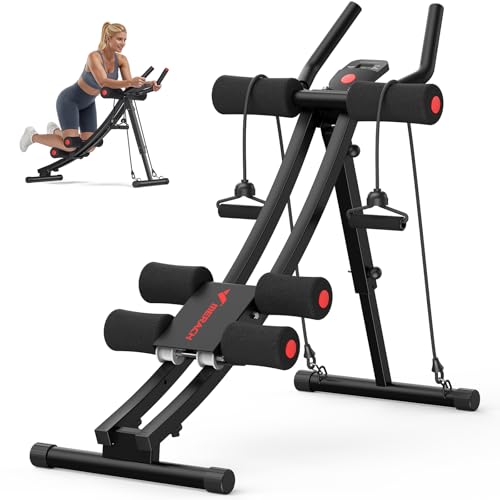
For a dedicated core trainer that includes plank-style positions, you can look at a View on Amazon option. Keep in mind that rolling-based tools change the movement pattern, so they should be treated as a separate training tool rather than a direct substitute for a static hold.
Standard yoga mats are widely available and suitable for all three variations. A View on Amazon is one commonly recognized option in the premium category, and a View on Amazon serves as a budget-friendly alternative for beginners who want extra cushioning under the knees.
For a structured option that includes core positions beyond planking, a View on Amazon can add instability work once you have built basic control. Use it only after you can hold the standard plank with a neutral spine for at least 30 seconds.
FAQ
Are plank variations safe during pregnancy?
Some modified planks are commonly used in prenatal programs, but others may be inappropriate later in pregnancy or after delivery, especially if diastasis recti or pelvic floor concerns are present. Work with an obstetric provider or pelvic health physical therapist to decide which variations fit your stage and condition.
How long should I hold a plank?
Most beginners start with 15 to 20 seconds and build gradually. Stop the hold when your form breaks down, such as when the hips sag or the shoulders collapse, rather than pushing for a set time.
Can planks help with back pain?
Planks can strengthen trunk muscles that support the spine, but they are not a treatment for back pain. If you have persistent or worsening pain, consult a physician or physical therapist before starting a new routine.
How often should I do plank variations?
Many people train planks three to four days per week, with rest between sessions. Two to three sets per variation is a reasonable starting point, and you can increase volume as your form and endurance improve.
Which plank is best for lower back comfort?
The standard forearm plank, done with a neutral spine and modified on the knees if needed, is often the most comfortable starting point. Stop any variation that causes sharp or pinching pain in the lower back.
Conclusion
For most readers, the standard forearm plank is the best starting point, since it builds core endurance with clear progressions and modest joint demand. The side plank is the strongest choice for targeting the obliques, and the reverse plank is the best way to balance front-body training with posterior chain and posture work. Combining all three gives the most complete plank routine, and a professional consultation is a wise step for anyone with pregnancy, injury, or chronic pain concerns.
Before you buy: helpful guides
About Owen Palmer
Owen Palmer is part of our editorial team and reviews and edits our core & abs guides, checking product details against manufacturer specifications and owner feedback.