 By Lauren Holland
Updated November 2026
Choosing safe core exercises for pregnant women means looking for guides that respect changing posture, rising abdominal pressure and the need for gentle progression. The picks below were selected by reviewing product listings, publisher descriptions, and common owner feedback patterns, with a focus on clear form cues, trimester awareness, pelvic floor integration and realistic goals. Each entry is a book or program, not a piece of equipment.
Best overall: Training for Two – View on Amazon
Best for diastasis recti recovery: 28 Day Diastasis Recti Recovery Workout Plan – View on Amazon
Best for gradual postpartum weight loss: Postpartum Weight Loss Exercises – View on Amazon
Best for rebuilding the core after birth: The Postpartum Core Rebuild – View on Amazon
Best for pelvic floor work in pregnancy: Pregnancy Pelvic Floor Exercises at Home – View on Amazon
Best for a full recovery program: The Complete Diastasis Recti Recovery Guide – View on Amazon
Our Top Picks
Quick Comparison
| Product | Best for | Key feature |
|---|---|---|
| Training for Two | Overall prenatal training | 90+ prenatal exercises |
| 28 Day Diastasis Recti Recovery Workout Plan | Diastasis recti recovery | Four-week step-by-step plan |
| Postpartum Weight Loss Exercises | Gradual postpartum weight loss | Physiotherapy-based approach |
| The Postpartum Core Rebuild | Rebuilding the core after birth | Focus on diastasis safety |
| Pregnancy Pelvic Floor Exercises at Home | Pelvic floor work in pregnancy | Kegel guidance for home use |
| The Complete Diastasis Recti Recovery Guide | Full recovery program | Breathing and nutrition included |
Training for Two: Safe and Smart Prenatal Exercises for a Smoother Pregnancy, Easier Birth, and Healthier Newborn
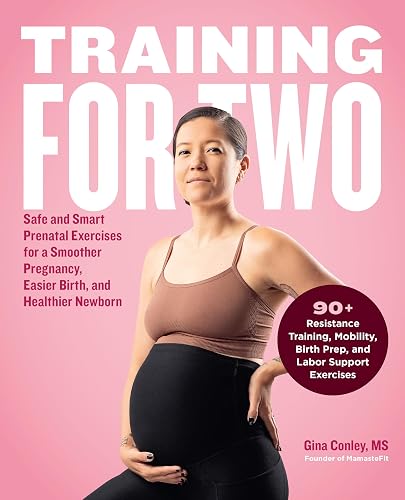
Training for Two: Safe and Smart Prenatal Exercises for a Smoother Pregnancy, Easier Birth, and Healthier Newborn – 90+ Resistance Training, Mobility, Birth Prep, and Labor Support Exercises
Best for: Overall prenatal training with a core focus
This book suits readers who want a broad, pregnancy-specific exercise reference that covers strength, mobility and birth preparation in one place.
Pros
- Large library of prenatal movements
- Covers birth preparation and labor support
Cons
- Broad scope means less depth on any single topic
28 Day Diastasis Recti Recovery Workout Plan

28 Day Diastasis Recti Recovery Workout Plan: A Step-by-Step Postpartum Core Healing Program with Safe Exercises to Repair Ab Separation, Strengthen … and Rebuild Core Stability After Pregnancy
Best for: Diastasis recti recovery with a structured schedule
A good fit for readers who prefer a day-by-day plan and want core healing presented in a clear sequence.
Pros
- Clear four-week structure
- Step-by-step progression
Cons
- Works best alongside professional guidance if separation is significant
Postpartum Weight Loss Exercises

Postpartum Weight Loss Exercises: The Complete Physiotherapy Guide to Safe Recovery, Core Strength, and Gradual Weight Loss After Childbirth (Weight Loss Exercise & Yoga Guide Series)
Best for: Gradual postpartum weight loss paired with core strength
This guide suits readers who want a physiotherapy-minded approach to weight and core goals after delivery.
Pros
- Physiotherapy-based framing
- Emphasizes gradual, safe progress
Cons
- Weight-focused framing may not suit every goal
The Postpartum Core Rebuild

THE POSTPARTUM CORE REBUILD : Safe Diastasis Recti Exercises for New Moms
Best for: Rebuilding the core after birth
Written for new mothers who want a focused approach to diastasis recti and core rebuilding in the months after delivery.
Pros
- Targeted to new mothers
- Focus on diastasis-aware movement
Cons
- Narrower scope than a full program
Pregnancy Pelvic Floor Exercises at Home

Pregnancy Pelvic Floor Exercises at Home: Safe Kegel Exercises to Reduce Pain, Prevent Leakage and Prepare for Childbirth (Women’s Pelvic Health & Physiotherapy Guide Series Book 2)
Best for: Pelvic floor work during pregnancy
Useful for readers who want to pair core work with pelvic floor training, which supports core function during pregnancy.
Pros
- Clear Kegel guidance
- Practical home focus
Cons
- Pelvic floor focus only, not a full core program
The Complete Diastasis Recti Recovery Guide

The Complete Diastasis Recti Recovery Guide: A Step-by-Step Program with Safe Core Exercises, Breathing Techniques, Nutrition Strategies, Pelvic Floor … Restore Strength, Stability, and Confidence
Best for: A full recovery program covering exercise, breathing and nutrition
Suits readers who want more than exercises and are looking for breathing, nutrition and pelvic floor context in one guide.
Pros
- Covers breathing and nutrition
- Comprehensive program structure
Cons
- Longer read than a focused workbook
Buying Guide
Trimester awareness
Look for guides that address how exercises change from the first trimester through late pregnancy. Movements that lie flat on the back become less appropriate as pregnancy advances.
Diastasis recti guidance
If the abdominal wall has separated, you need guides that teach gentle, pressure-aware movement. Avoid programs that encourage crunches or heavy bracing until you are cleared.
Pelvic floor integration
A strong pelvic floor supports the core during pregnancy and after birth. Guides that include pelvic floor cues tend to be more complete.
FAQ
Are core exercises safe during pregnancy?
Many core exercises are safe during pregnancy when they are adjusted for your trimester, your comfort, and your body’s signals. Gentle work that keeps you breathing easily and avoids strain is generally the best starting point. Check with your healthcare provider before beginning any new routine, especially if you have pregnancy complications.
Should I avoid crunches and sit-ups while pregnant?
Traditional crunches and sit-ups often increase pressure on the abdominal wall and may not suit later pregnancy stages. Many prenatal guides replace them with side-lying work, pelvic tilts, and supported standing exercises. Choose programs that explain these alternatives clearly.
What is diastasis recti, and how do I know if I have it?
Diastasis recti is a separation of the abdominal muscles along the midline that can occur during pregnancy and postpartum. A simple self-check involves gently pressing into the area above or below the navel while lifting your head slightly, but a physiotherapist or doctor can give a more reliable assessment. Recovery guides can help you rebuild strength, though they do not replace professional evaluation.
When can I start pelvic floor exercises after childbirth?
Many people begin gentle pelvic floor work soon after delivery, once their provider confirms it is appropriate, and some start during pregnancy. Pelvic floor exercises can support bladder control, comfort, and labor preparation. If you feel pain, pressure, or leakage, ask a pelvic health professional for guidance.
How long does postpartum core recovery usually take?
Recovery timelines vary widely based on delivery type, prior fitness, and whether diastasis recti is present. Most people benefit from a gradual progression over several weeks to months rather than rushing back to intense training. Consistency and listening to your body matter more than speed.
Should I stop exercising if something feels wrong?
Yes. Stop and contact your healthcare provider if you experience bleeding, fluid leakage, dizziness, chest pain, calf swelling, severe headaches, or regular painful contractions. Any symptom that concerns you is a reason to pause and seek medical advice.
Conclusion
If you want a broad, prenatal-focused program that covers strength, mobility, and birth preparation, Training for Two is a strong place to start. If you are dealing with abdominal separation after delivery, the diastasis recti-focused plans and the postpartum core rebuild guide are better matched to your needs, and the pelvic floor guide suits anyone focused on bladder control and labor readiness.
Choose based on where you are right now: a pregnancy-wide foundation, targeted postpartum recovery, or a specific pelvic floor focus. Whichever you pick, pair it with guidance from your healthcare provider so your routine fits your individual health needs.
Related reading
- Core Exercises for Pregnant Women: 6 Safe Moves With Form Cues
- Abs Exercises for Women Over 50: 6 Safe Core Moves With Form Cues
- Standing Abs Exercises for Women: 6 Moves for a Stronger Core
- Sitting Core Exercises Elderly: 6 Safe Seated Moves for Stability
- Seated Core Exercises for Elderly: 6 Safe Moves for Better Balance
About Lauren Holland
Lauren Holland is part of our editorial team and reviews and edits our core & abs guides, checking product details against manufacturer specifications and owner feedback.


