By Lauren Holland
Updated November 2026
The easiest exercises for abs are low-load movements that teach your deep core to brace and stabilize before you add intensity. In this guide, you will learn six beginner-friendly moves, the form cues that make them work, and a simple routine you can start today. Most people can begin with these movements without any equipment.
Why Start With Easy Ab Exercises
Your abs are not a single muscle. The rectus abdominis, obliques and transverse abdominis all work together to control your pelvis and ribcage. Beginners often rush into crunches with a poor brace, which strains the neck and lower back. Starting with simpler moves builds control first, so later exercises feel safer and more effective.
Shopping for one? See our guide: 7 Best Women's Abs Exercises for Home Training (2026).
The 6 Easiest Ab Exercises
1. Dead Bug
Lie on your back with your arms pointing at the ceiling and your knees bent at 90 degrees over your hips. Press your lower back gently into the floor, then slowly extend one arm overhead and the opposite leg toward the floor, stopping before your back arches. Return to start and switch sides. Aim for 8 to 10 reps per side.
2. Bird Dog
Start on your hands and knees with wrists under shoulders and knees under hips. Extend your right arm forward and your left leg back until both are level with your torso. Hold for 3 seconds, then switch. Keep your hips square to the floor. Complete 8 to 10 reps per side.
3. Glute Bridge
Lie on your back with knees bent and feet flat. Squeeze your glutes and lift your hips until your body forms a straight line from shoulders to knees. Pause for 2 seconds, then lower slowly. This move trains the posterior chain that supports your lower abs.
4. Modified Plank on Knees
Get on your forearms and knees, with elbows under shoulders. Squeeze your glutes and draw your belly button toward your spine so your body forms one line from head to knees. Hold for 15 to 30 seconds, breathing steadily. Rest and repeat for 2 to 3 sets.
5. Side Plank on Knees
Lie on your side with your bottom knee bent and your forearm under your shoulder. Lift your hips so your body forms a line from head to knee. Hold for 10 to 20 seconds per side. This targets the obliques and the muscles along the side of your waist.
6. Supported Crunch
Lie on your back with knees bent and feet flat. Place your hands lightly behind your head, elbows wide. Exhale and lift your shoulder blades only a few inches off the floor, keeping your neck relaxed. Lower with control. Start with 8 to 12 reps.
Starter Routine and Form Checklist
Perform the following routine two to three times per week, with at least one rest day between sessions:
- Dead bug: 2 sets of 8 reps per side
- Bird dog: 2 sets of 8 reps per side
- Glute bridge: 2 sets of 10 reps
- Modified plank: 2 sets of 15 to 30 seconds
- Supported crunch: 2 sets of 10 reps
Before each set, confirm that your ribs are down, your lower back is controlled and you can breathe normally. If you feel pain in your lower back, neck or hips, stop and reduce the range of motion.
Common Mistakes to Avoid
- Pulling on your neck during crunches. Let your abs lift the shoulders, not your hands.
- Arching the lower back during dead bugs. Keep it gently pressed toward the floor.
- Holding your breath. Exhale on effort and inhale on the return.
- Rushing reps. Slow the lowering phase to build control.
- Skipping progression. Move on only when you complete all reps with clean form.
Recommended Gear
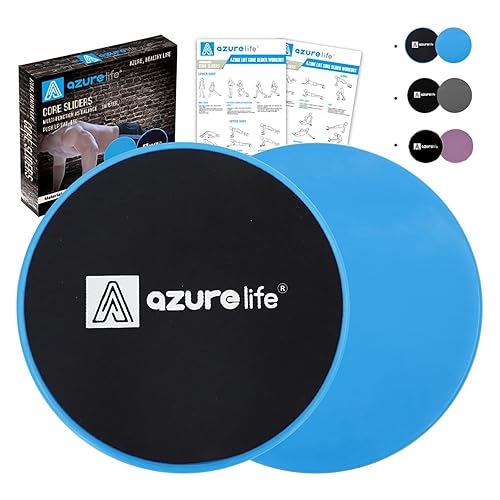
A stability-focused mat helps you keep your spine supported on the floor during floor-based moves. View on Amazon
Knee padding makes modified planks and bird dogs more comfortable on hard floors. View on Amazon
FAQ
How long does it take to see results from easy ab exercises?
Many beginners notice better control and posture within two to four weeks of consistent training. Visible changes in muscle definition depend largely on body fat levels and nutrition.
Can I do these exercises every day?
Most people do well with two to three sessions per week. Your abs recover like other muscles, so rest days support progress.
When should I move to harder ab exercises?
Move on when you can complete all sets and reps with steady breathing and no compensation from your lower back or neck. If you have a back condition or injury, consult a physical therapist or doctor before progressing.
Conclusion
The easiest exercises for abs teach your core to brace, breathe and stabilize, which builds a foundation for harder work. Follow the starter routine, focus on controlled form and progress gradually. Once these moves feel easy, you can explore more challenging core training.
Related reading
- Workout Exercises for Abs: 7 Moves With Form Cues for a Stronger Core
- Workout Ball Exercises for Abs: 6 Moves for a Stronger Core
- Women's Abs Exercises Home: 5 Best Ab Trainers Compared (2026)
- What Are Some Good Exercises for Abs? 7 Moves That Work
- Weighted Exercises for Abs: 6 Moves That Build a Stronger Core
Ready to choose one?
About Lauren Holland
Lauren Holland is part of our editorial team and reviews and edits our core & abs guides, checking product details against manufacturer specifications and owner feedback.